
Why Milk Teeth Are Just as Important as Permanent Teeth
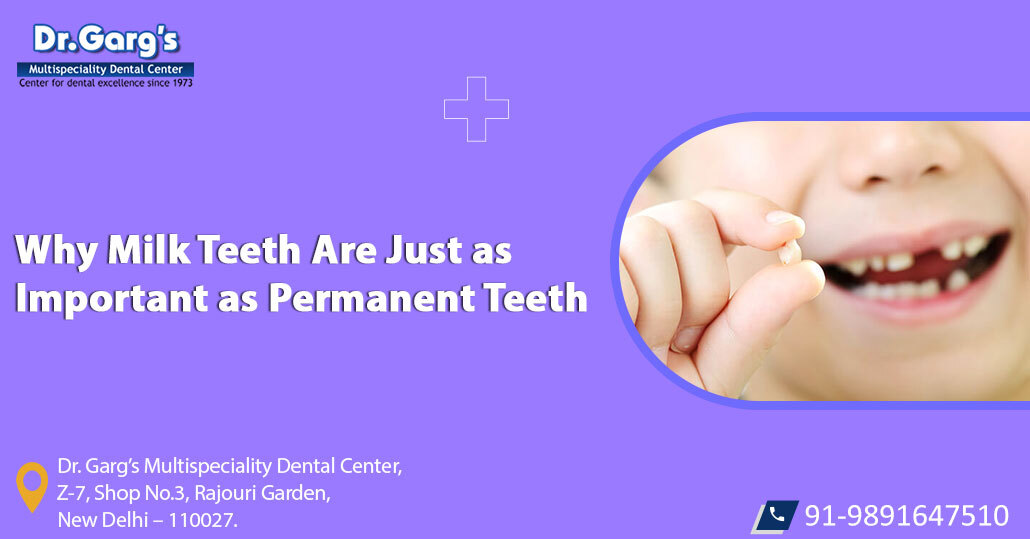
Milk teeth (also called as Baby teeth, primary teeth or deciduous teeth) are the first teeth to erupt in the mouth in children. With time these teeth fall off and are replaced by the teeth of permanent dentition.
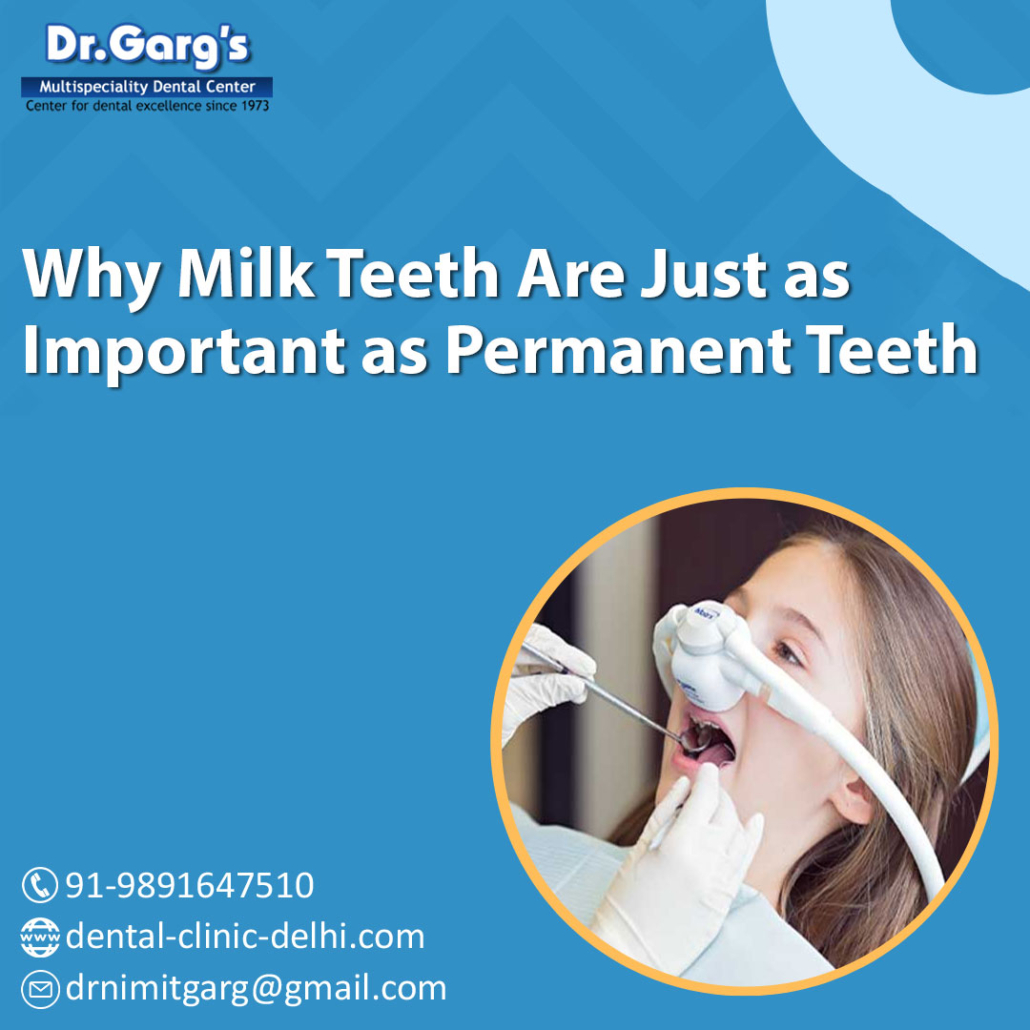
Today young children with primary teeth present with teeth conditions that warrant treatments like root canal treatment or at time s even extraction to control the spread of infection. However, parents are not so keen to spend on restoring the primary teeth. They feel that since these teeth will be ultimately replaced by permanent ones, so why spend on restoring or replacing them.
Going by the recent concepts, the milk teeth are as important as the permanent ones
1. Aesthetic Concerns
The premature loss or removal of primary teeth, especially the front ones, leaves a noticeable gap for a long time. This can lead to aesthetic concerns for the child, affecting their confidence and social interactions.
2. Guidance for Permanent Teeth
Milk teeth act as natural guides for permanent teeth, ensuring they erupt in the correct position. When primary teeth are lost too early, this guidance is lost, leading to misaligned permanent teeth. This often results in the need for orthodontic treatments like braces to correct improper alignment.
3. Chewing Problems
Primary teeth play a key role in breaking down food properly for digestion. Decay or early loss of these teeth can cause difficulty in chewing, which may impact the child’s nutrition and overall health.
4. Speech Issues
Primary teeth are essential for proper pronunciation and speech development. Losing them prematurely can lead to speech problems, making it harder for children to form certain sounds correctly.
How to Take Care of Milk Teeth
Teaching children proper oral hygiene from an early age helps in maintaining strong and healthy teeth. Here are some effective ways to care for milk teeth:
1. Regular Brushing
- Make brushing a fun activity rather than a chore. Turn it into a game or use a reward system to encourage the habit.
- Use special fluoride toothpaste designed for children to strengthen enamel and prevent cavities.
2. Limiting Sugary and Sticky Foods
- Reduce the intake of sweets, chocolates, and sticky foods like chewing gum, which are known to cause cavities.
- Encourage healthy snack alternatives like yogurt, cheese, and nuts.
3. Eating Raw Fruits and Vegetables
- Raw fruits and vegetables, such as apples and carrots, help clean teeth naturally while strengthening gums.
- A fiber-rich diet also promotes better digestion and overall health.
Conclusion
Milk teeth are much more than temporary teeth—they play a critical role in a child’s oral development. From aesthetics and speech to proper chewing and guiding permanent teeth, their importance cannot be underestimated. Establishing good oral hygiene habits early in life ensures a healthier future for your child’s smile.
Expert Pediatric Dental Care at Dr. Garg’s Multispeciality Dental Center
If your child needs expert dental care, Dr. Garg’s Multispeciality Dental Center provides specialized treatments to keep young smiles healthy and strong.
Call us at +91-9891647510 or 9810232685
Book an appointment online at dental-clinic-delhi.com
FAQs on Milk Teeth (Baby Teeth) – Dr. Garg’s Multispecialty Dental Center
1. Why are milk teeth important for children’s overall health?
Baby teeth help with chewing, speech, and guiding permanent teeth. Neglecting them can lead to infections, misalignment, and long-term oral health problems in children.
2. At what age do milk teeth start appearing in children?
Milk teeth usually emerge between the ages of 6-12 months and are completely gone by the age of 3. Timely visits to the dentist ensure healthy development and prevent dental problems.
3. Do cavities in milk teeth need treatment if they will fall out anyway?
Yes, it is important to treat baby tooth decay. Without treatment, decay can spread, cause pain, and affect the alignment and oral health of permanent teeth.
4. Can early loss of milk teeth affect permanent teeth?
Yes, early loss of Milk teeth can cause the permanent teeth to become misaligned or crowded. Maintaining space between teeth and timely dental care can prevent later dental problems.
5. What are the common dental problems in milk teeth?
Common problems include cavities, tooth decay, infections, and premature tooth loss. Regular checkups at Dr. Garg’s Multispecialty Dental Center help in early detection and treatment of these.
6. How can parents take care of their child’s milk teeth?
Parents should ensure their child’s milk teeth remain strong and healthy by brushing them twice a day with fluoride toothpaste, limiting sugary foods and having regular dental checkups.
7. Are root canals possible in milk teeth?
Yes, pediatric root canal treatment is often performed to save milk teeth affected by deep decay or infection, thereby preserving the natural space for permanent teeth.
8. Can damaged milk teeth affect a child’s speech?
Yes, premature loss or damage of baby teeth can cause speech difficulties and incorrect pronunciation. Timely dental treatment ensures proper speech development in children.
9. When should a child visit a pediatric dentist for the first time?
Your child should visit the pediatric dentist by his or her first birthday or when the first tooth emerges. Early visits to the dentist ensure a lifetime of healthy oral habits.
10. How does diet affect milk teeth health?
A balanced diet with fewer sugary foods and more fruits, vegetables, and dairy products strengthens tooth enamel, prevents tooth decay, and improves children’s overall oral health.
11. Why should parents not ignore dental pain in milk teeth?
Pain in baby teeth is often a sign of cavities or infection. Ignoring it can affect chewing, growth and permanent teeth. It is advisable to consult a dentist immediately.
12. Does Dr. Garg’s Multispecialty Dental Center provide pediatric dental care?
Yes, Dr. Garg’s Multispecialty Dental Center in Delhi offers specialized pediatric dentistry, preventive care, fillings and root canal services for healthy smiles in children.

