
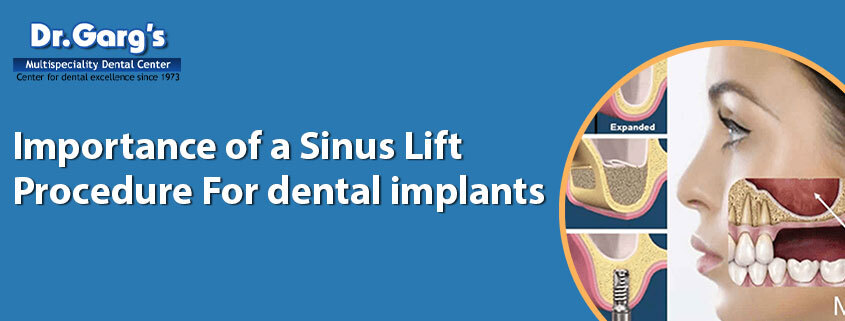
Importance of a Sinus Lift Procedure For dental implants
Missing back teeth in the upper jaw can lead to bone erosion and make it difficult or impossible to place dental implants. A sinus lift procedure is crucial in this situation because it fortifies the jaw bone beneath your sinuses, giving the implants a solid base for the implants.
In this article, you’ll learn what a sinus lift procedure is, why it’s necessary, how it works, and what to expect before, during, and after surgery. We’ll explain common risks, recovery tips, and how this simple procedure can dramatically improve implant success.
Whether you’re worried about bone loss, sinuses too close to your jaw, or want to know the best ways to prepare, this easy-to-read guide answers it all genuinely. By the end, you’ll feel confident and informed.
Let’s explore why a sinus lift matters, and how it could be the key to a secure, healthy smile.
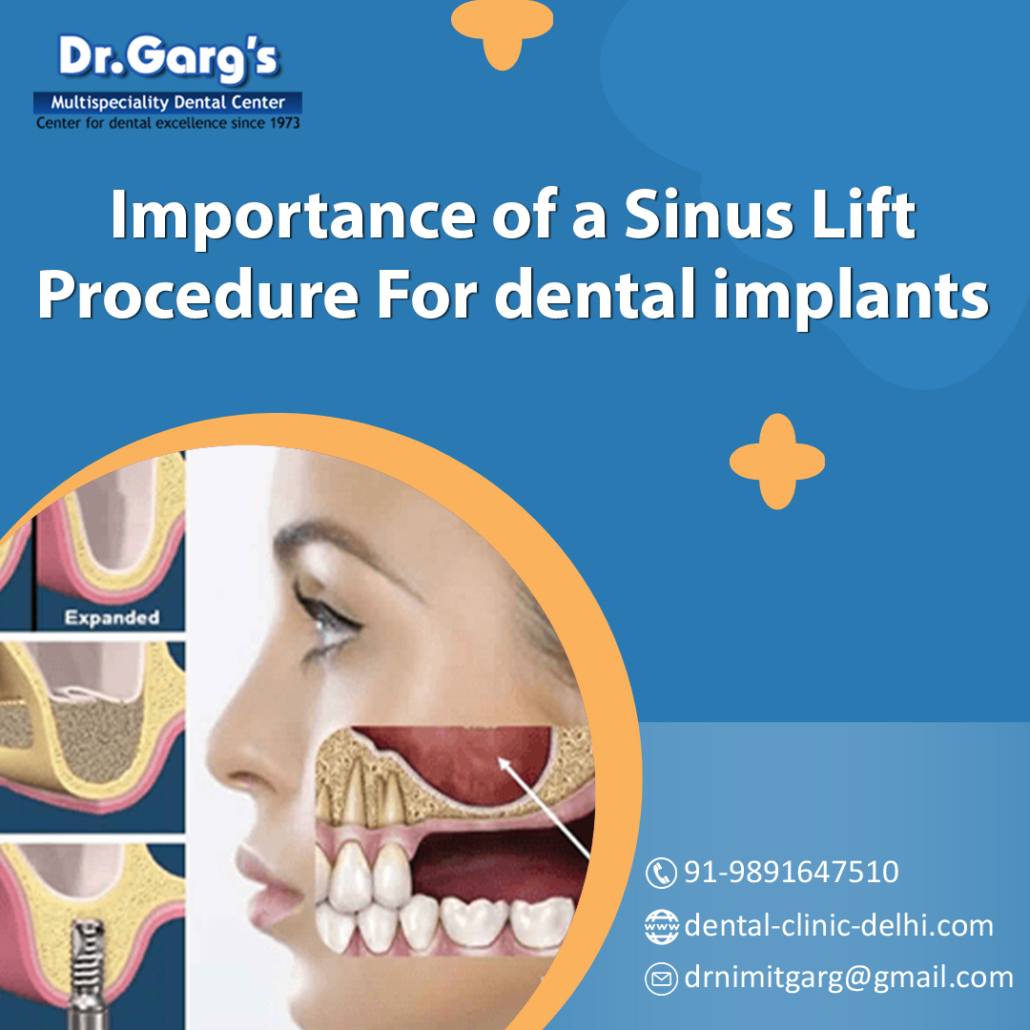
Why Is the Sinus Lift Procedure Important?
A sinus lift, also called sinus augmentation, is a surgical bone-grafting procedure that increases the amount of bone beneath the maxillary sinus to support dental implants
- Creates a stable base for dental implants in the upper jaw, particularly for molars and premolars.
- Improve implant success rates to guarantee stability and functionality over the long period.
- Addresses bone loss caused by tooth extraction, periodontal disease, sinus enlargement, or anatomical limitations.
- Prevents issues, shields the sinuses, and protects implants from penetrating the sinus cavity.
- In cases of very thin bone or pneumatized sinuses, a sinus lift is almost always needed for safe implant placement.
- Enhances oral function and comfort, helping patients chew, speak and smile with confidence.
Read Also,This Blog: Dental Implants in Delhi – Long-Lasting Tooth Replacement & Care Tips
Types of Sinus Lift (Sinus Augmentation)
There are several techniques available for a sinus lift procedure, and the choice depends on your bone condition, the anatomy of the sinuses, and the implant plan. Understanding these types helps you know what to expect during treatment.
1. Lateral Window Technique (Direct Sinus Lift)
- The surgeon makes an incision on the lateral side of the gum to expose the bone.
- The sinus membrane is gently lifted away from a gap in the sinus wall.
- The bone graft material is placed down, then the area is closed and left to heal- usually 4 to 6 months before the implant is placed.
2. Osteotome Technique (Indirect Sinus Lift)
- Less invasive: The bone is accessed from the implant site.
- The floor of the sinus is tapped upward using special instruments (osteotomes).
- If the natural bone height is adequate (≥ 6 mm and less than 4 mm of lift is required) then bone grafting and implant placement can be done in the same session.
2. One-Stage vs Two-Stage Approach
- One-Stage: Sinus lift and implant placement are done together (if bone conditions allow)
- Two-Stage: Bone grafting first; implants placed after healing (4-12 months later)
Step-by-Step: What Happens in the Procedure?
- Evaluation and planning: Detailed imaging, X-rays or CBCT scans, to measure the bone, sinuses, and surrounding anatomy.
- Bone graft material options: autogenous (your own bone), allograft (donor), xenograft (animal), or synthetic alternatives.
- Surgical procedure: Lateral window or osteotome technique is done depending on the availability of bone.
- Closure and healing: the incisions are stitched; healing begins; post-operative care includes antibiotics, pain relievers, decongestants, and nasal care.
- Recovery phase: complete bone integration (osseointegration) takes 4 to 12 months depending on the method and type of graft.
- Implant placement: After healing, the implant is placed into the newly formed bone and securely bonded to guarantee success.
Recovery, Risks and Considerations with Sinus Lift Surgery
A sinus lift is a safe and reliable procedure, but like any surgery, it involves healing phases, potential risks, and important points to consider for long-term success.
Recovery
- Mild swelling, light bleeding, and nasal discomfort are common short-term effects.
- To protect the graft, avoid smoking, blowing your nose, sneezing, and using a straw.
- Follow all postoperative instructions carefully for faster and easier healing.
Risks
- Sinus membrane tear: The most common issue, sometimes requiring repair or delay.
- Infection or sinusitis: Rare but possible without proper care.
- Graft failure: The bone does not fuse as expected, requiring reimplantation.
- Common surgical risks: Bleeding, swelling, or allergic reaction.
Considerations
- Healing may take 4-12 months before implants can be placed.
- Success depends on the technique used, the graft material and your health condition.
- Choosing a professional periodontist or oral surgeon reduces risks and guarantees the finest outcomes.
- Smokers, patients with sinus allergies, and people with other medical problems should discuss additional precautions with their dentist.
Read More About : How to Choose the Best Dentist in Delhi: A Practical Guide
Summary Table
| Aspect | Details |
| Purpose | Build bone under sinus for implants |
| Key Benefits | Strong implant foundation, higher success rate, better oral function |
| Techniques | Lateral window (direct), osteotome (indirect) |
| Graft Options | Autograft, allograft, xenograft, synthetic |
| Healing Time | 4–12 months before implant placement |
| Common Risks | Sinus membrane tear, infection, graft failure |
| Important Precautions | No nose blowing, smoking, straws, heavy exertion during recovery |
Conclusion: Is a Sinus Lift Right for You?
A sinus lift may seem complicated, but it is a safe and proven procedure that greatly increases the chances of success for dental implants in the upper jaw. If you have weak bone, naturally thin bone, or the sinuses are too close to the roots of your teeth, this procedure can provide the strong support your implants need. The importance of the sinus lift procedure lies in its ability to create a secure base, protect the sinus cavity, and ensure a long-lasting, comfortable implant.
The best way to know if a sinus lift is right for you is to consult with an experienced oral surgeon or implant specialist. With proper planning, advanced techniques, and professional care, a sinus lift can be an important step in restoring your smile with confidence and stability.
FAQs About Sinus Lift and Dental Implants
1. What is the purpose of a sinus lift in dental implants?
A sinus lift increases bone height in the upper jaw by adding bone beneath the sinus membrane, ensuring strong support and stability for dental implants.
2. Who needs a sinus lift before dental implant surgery?
Patients with bone loss in the upper jaw, particularly near the molars or premolars, usually require a sinus lift for successful dental implants.
3. Is a sinus lift procedure painful?
No, a sinus lift is performed under local anesthesia. There may be mild discomfort or swelling after the surgery, but this can be controlled with prescribed medications.
4. How long does it take to recover from a sinus lift?
Initial healing typically takes 1-2 weeks, while full bone integration for dental implants can take 4-6 months.
5. What is the difference between open and closed sinus lift?
A closed sinus lift is performed when minimal bone grafting is needed, while an open sinus lift is performed when there is very little bone height and more grafting is needed.
6. How much does sinus lift surgery cost in Delhi?
The cost of sinus lift at Dr. Garg’s Multispeciality Dental Centre ranges from ₹50,000 to ₹80,000 per side, depending on whether it is open or closed.
7. Are sinus lifts safe for dental implants?
Yes, sinus lifts are safe when performed by an experienced implantologist. They significantly improve the success rate of dental implants in patients with insufficient upper jaw bone.
8. Can dental implants be placed immediately after a sinus lift?
In some cases of a closed sinus lift, implants can be placed immediately. However, in an open sinus lift, implants are usually placed after the bone has healed.
9. How long do sinus lift results last?
The results of a sinus lift are permanent, as the implanted bone integrates with the natural bone, providing a lifelong base for the dental implants.
10. What precautions should I take after sinus lift surgery?
Patients should avoid smoking, forcefully blowing their nose or sneezing with their mouth closed. Nasal decongestants and prescribed medicines help in easy recovery.
11. Can smokers undergo sinus lift surgery?
Smokers can undergo a sinus lift, but are strictly advised to quit smoking before and after surgery, as it affects bone repair and the success of the implants.
12. Are there any risks or complications of sinus lift surgery?
Complications are rare, but may include sinus infection, membrane rupture, or inflammation. Choosing an experienced dental implant specialist minimizes the risks.
13. How do I know if I need a sinus lift before dental implants?
If an X-ray or CBCT scan shows insufficient bone height in the upper jaw to place an implant, your dentist will recommend a sinus lift.
14. Is sinus lift required for all dental implants in the upper jaw?
No, a sinus lift is only needed if the bone height is low. Patients with sufficient bone density in the upper jaw do not need it.
15. How do I prepare for a sinus lift procedure?
Your dentist will take X-rays or a CT scan to check your jawbone and sinuses. You may also need to stop smoking and manage sinus allergies before surgery.
16. Is sinus lift surgery safe?
Yes, sinus lift surgery is generally safe if performed by an experienced oral surgeon or periodontist. Complications such as infection or rupture of the sinus membrane are rare.
17. Who needs a sinus lift before dental implants?
People who have bone loss in the upper jaw, enlarged sinuses, or naturally thin bone often require a sinus lift before implants can be placed.

